Venustas
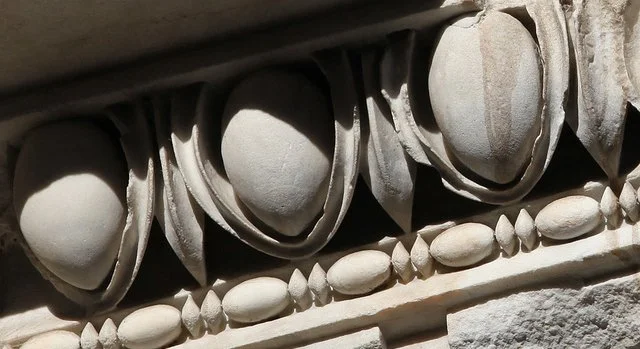
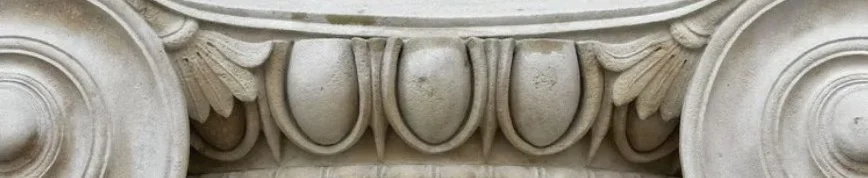
The egg and dart sits below the cornice, in the shadow, seen only in low light, like the underside of a mushroom, delicate and protected. Sometimes it sits between the volutes of an ionic column, equally guarded, almost hidden.
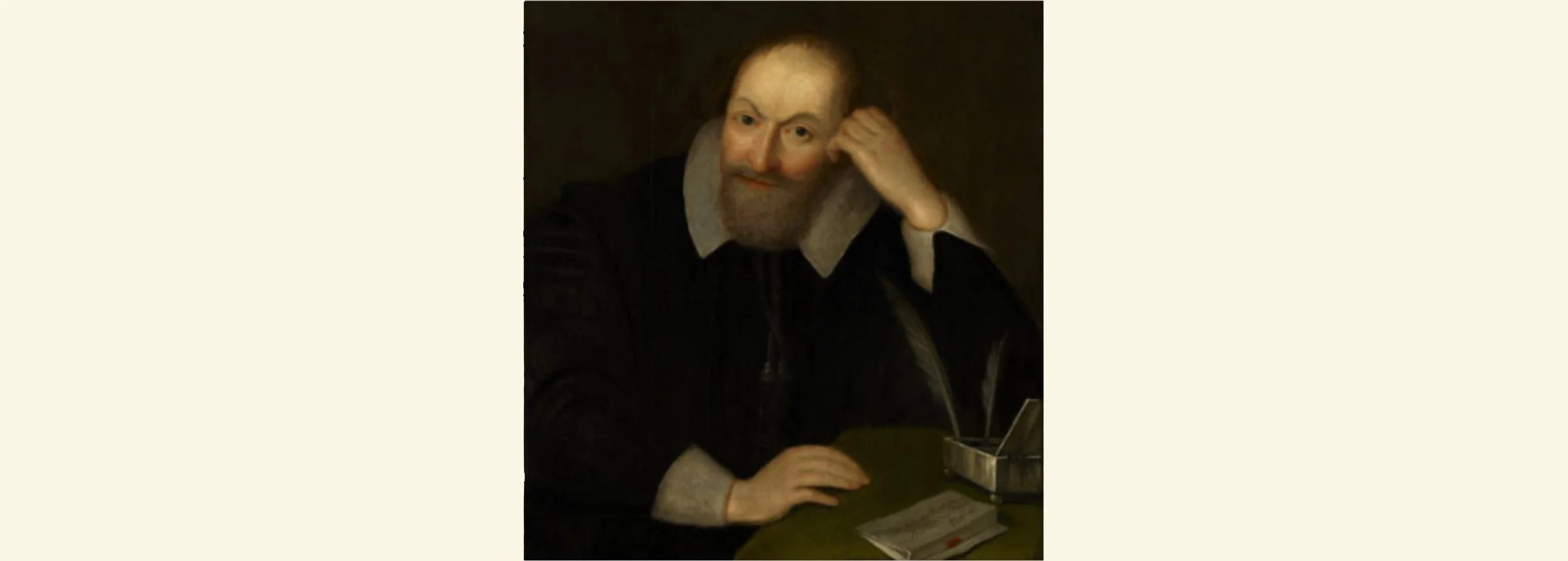
Nothing is more subject to interpretation than the decorative details of the Greek temple, and so it's interesting to go back to the 1st Century architect Vitruvius, who defined architecture as embodying three fundamental values, Firmitas, Utilitas, Venustas
This dictum was translated, somewhat unfortunately, by Sir Henry Wootton in the 17th Century, as "Firmness, Commodity and Delight." Perhaps the Latin sensuality was too much for the English at the time.
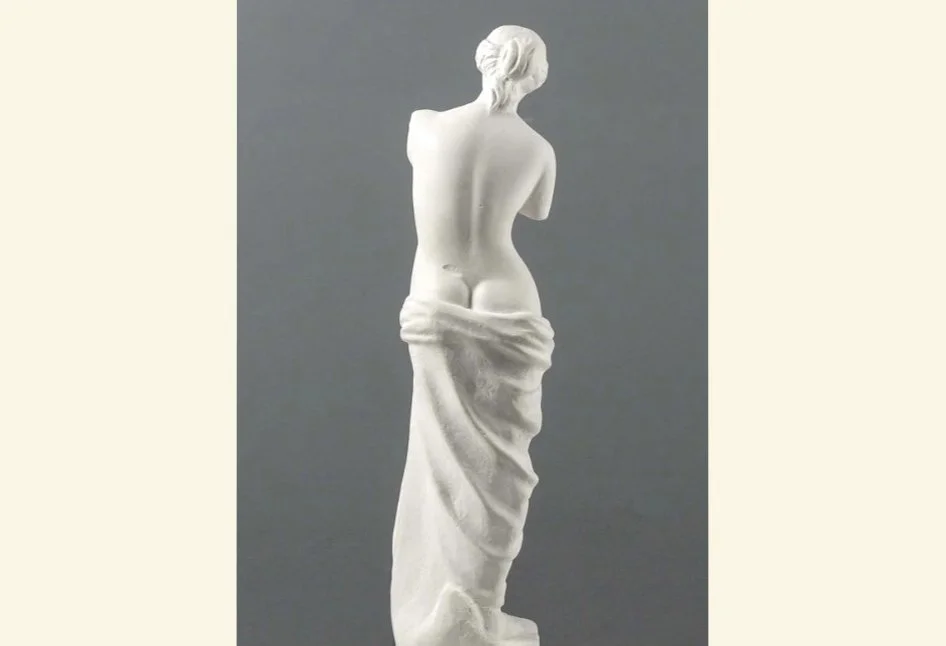
Venutas, which refers to Venus herself, is a physical beauty, human and erotic. Look at the egg and dart, with the emergent egg, representing the female, and the male dart, insisting nearby. At times, it has been interpreted as a shield and spear, the shield protecting life, the spear taking it, and the replication a reference to the cycle of life and death.
Even the Parthenon, whose apparent regularity required corrections throughout the structure, the floor, columns, and entablatures, all adjusted to give the building the appearance of regularity, while actually pulling everything out of plumb. Was this, as is often discussed, to correct the optical distortions to which the Greeks were highly sensitive? No one really knows. Nevertheless, the Greeks, who went to a great deal of trouble to achieve this effect, were considering the entire body of the building.
The value of Venustas, of a human, if not corporeal beauty, is one that continued throughout the classical tradition, until the 20th Century, with the advent of ideas like Form Follows Function, or The House is a Machine for Living. Yet behind even these new standards, and despite their deceptive rationality, I suspect, beauty will always lie with the goddess from whom we inherit the term.