The Tracings
Essays on Art and Architecture
Featured
Essays on Art and Architecture
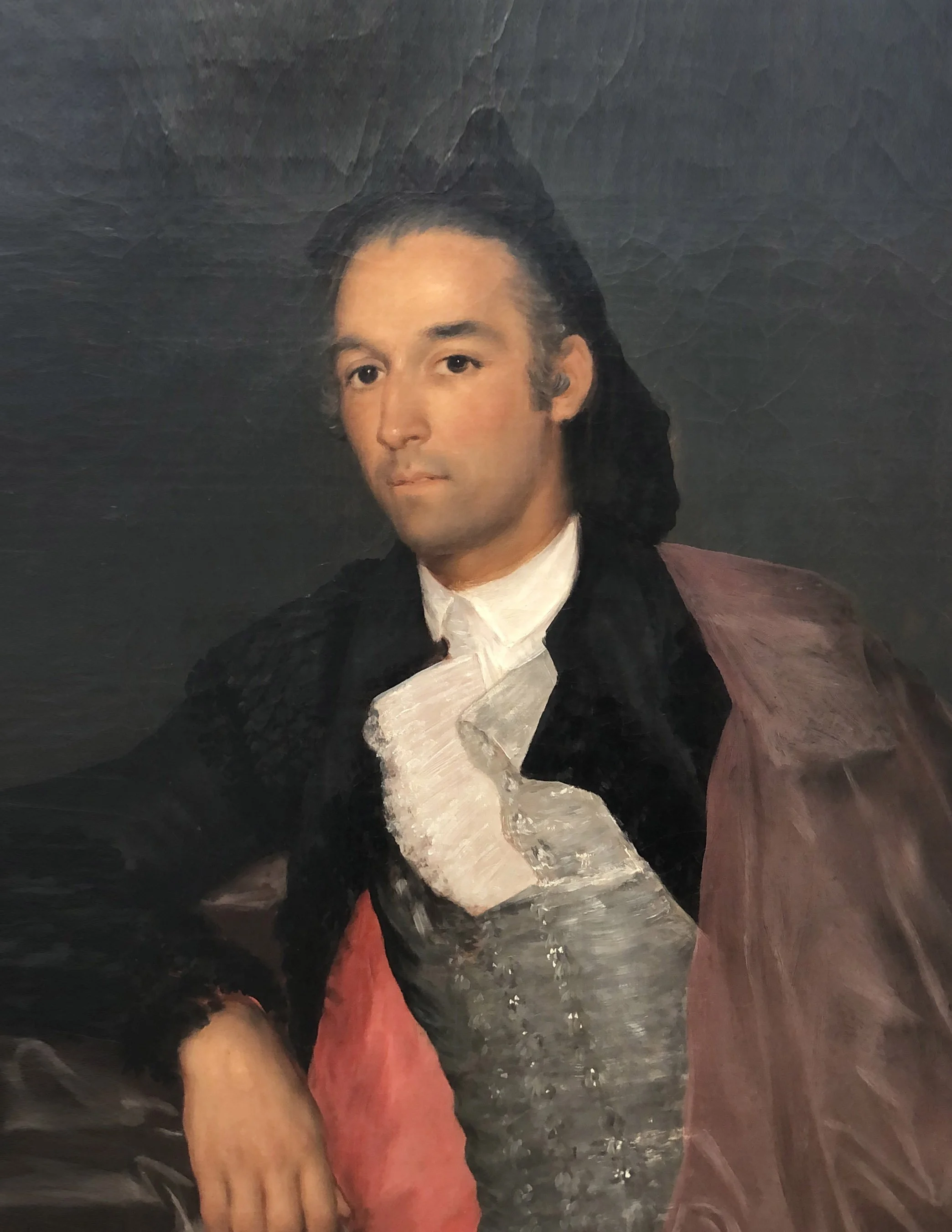
His mouth is open in a restrained snarl., he is barely contained in the finery of his vestments.
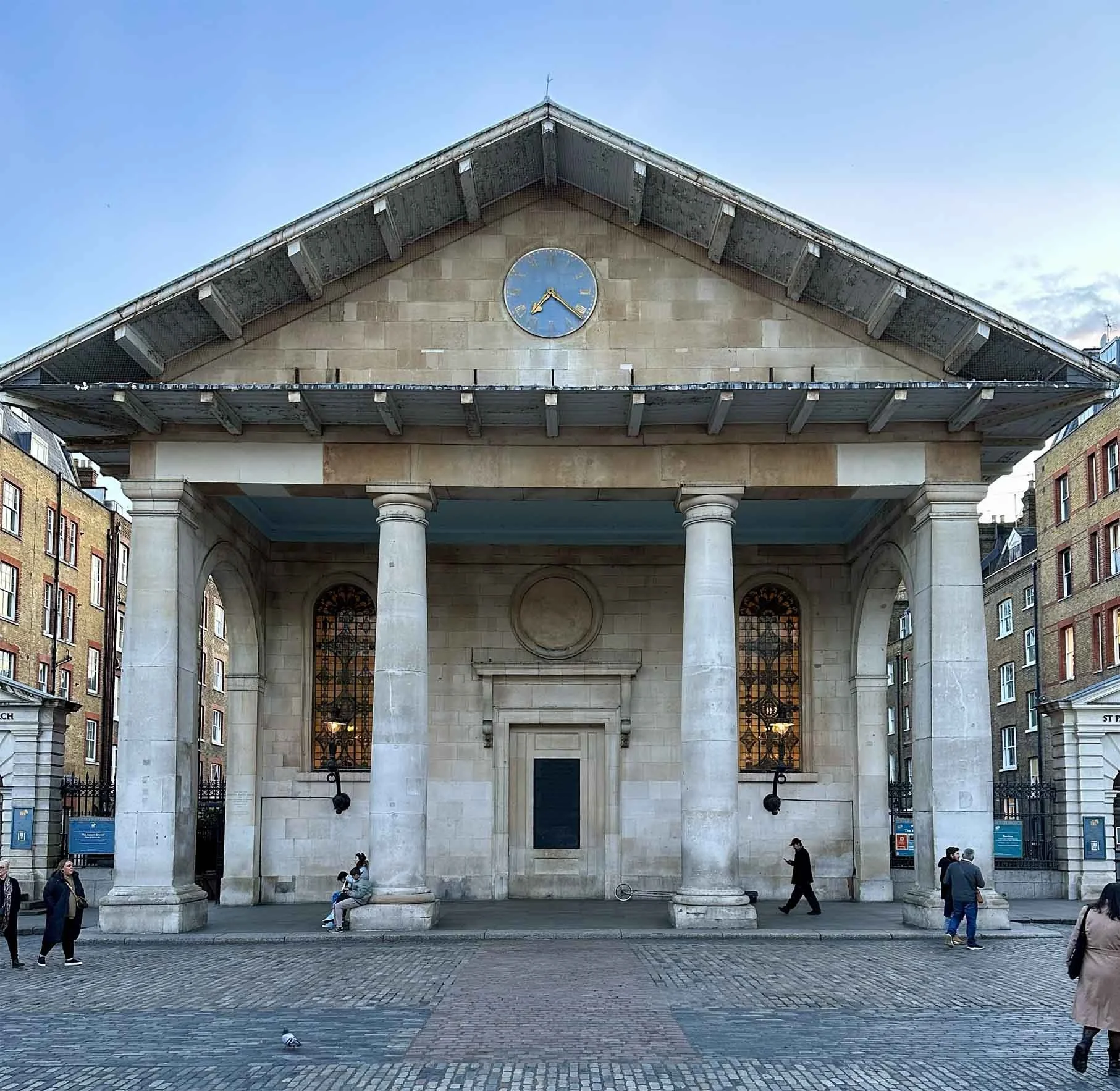
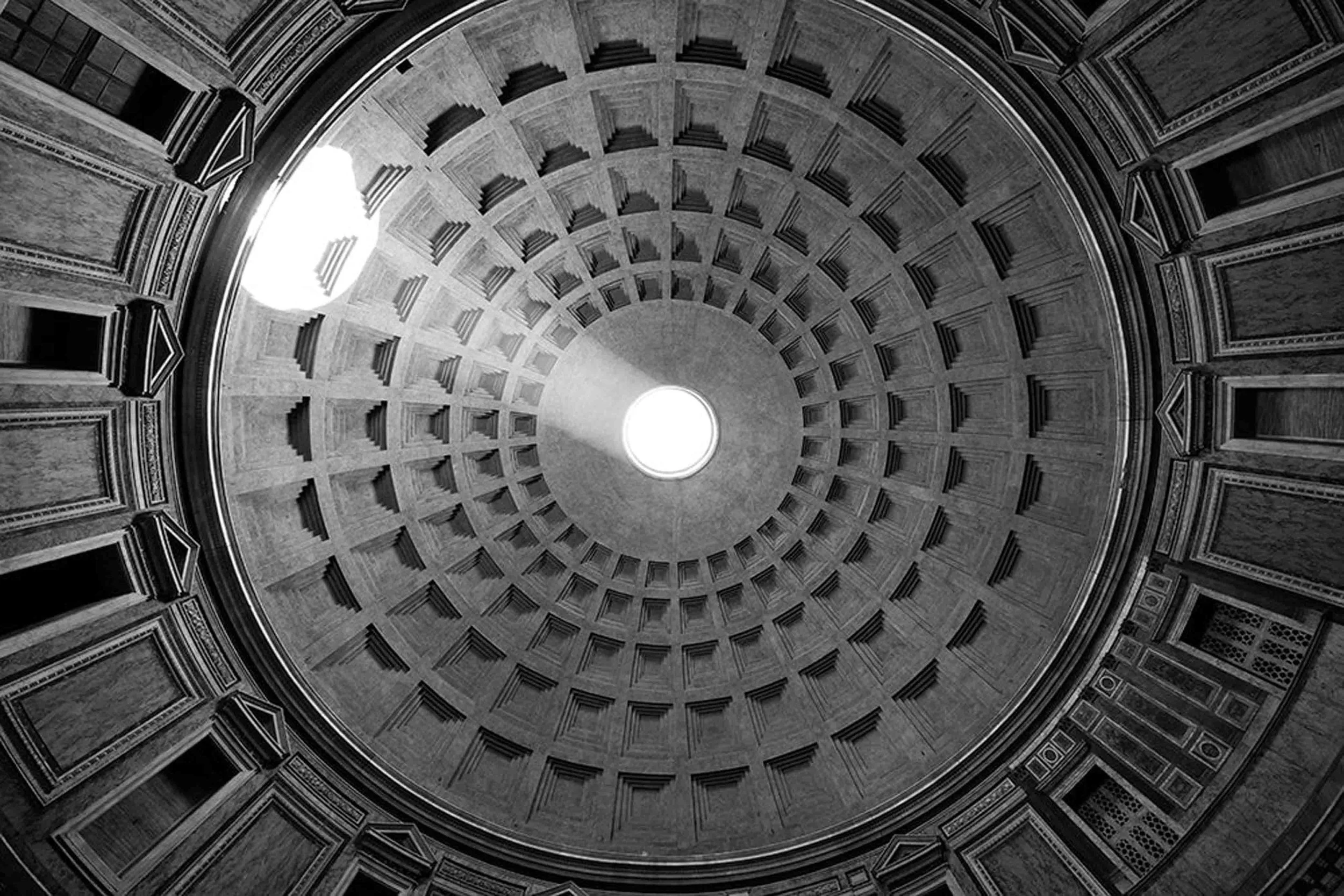
The front porch yawns over the square, the roof leans into space…no cornice, no entablature, no architrave.
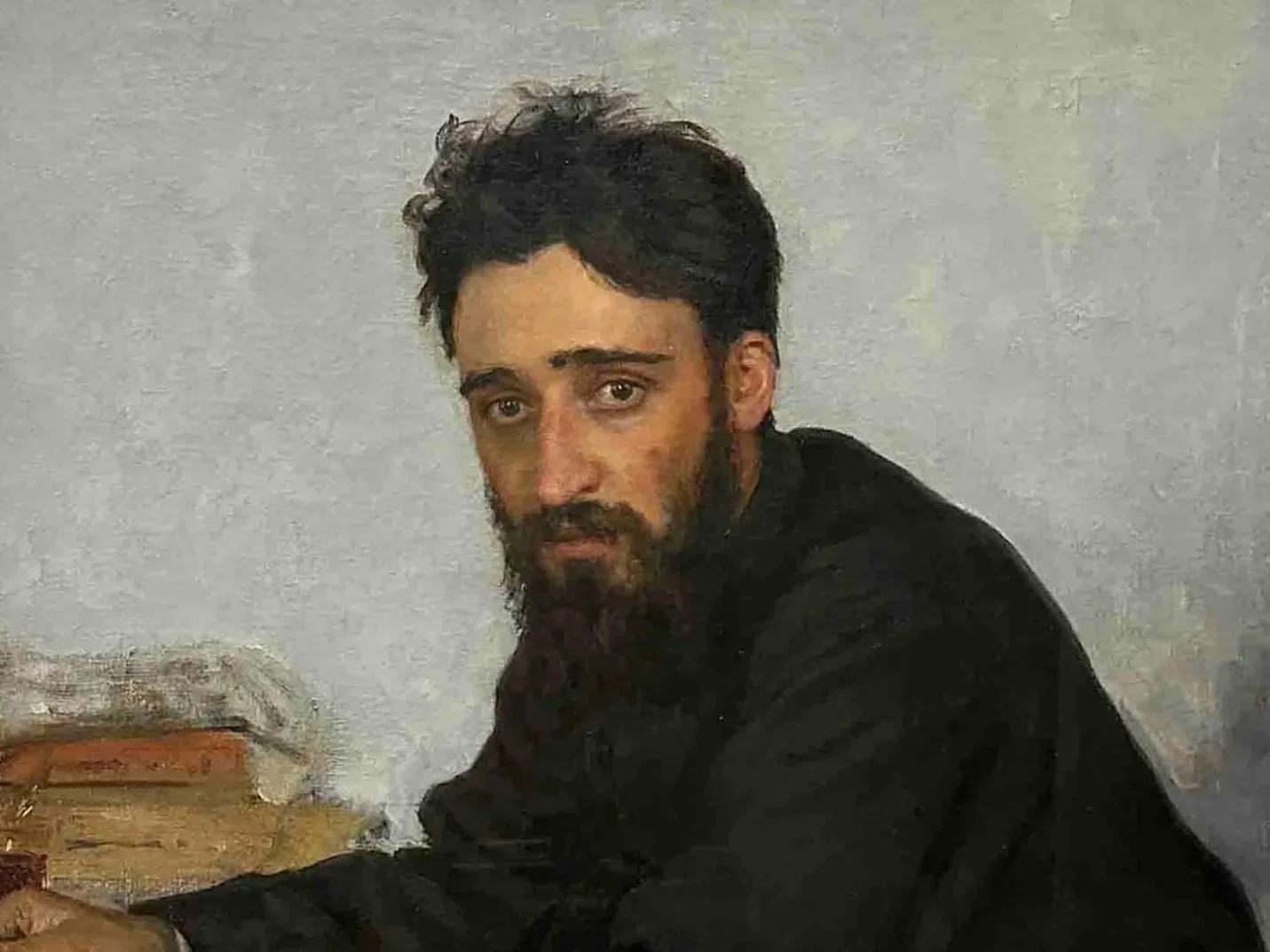
The tragedy of this painting lies not only in its subject, but the way in which Illia Repin has rendered his friend.
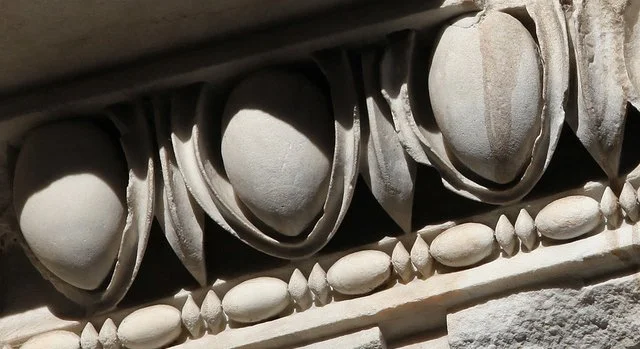
The egg and dart molding is found in the shadow of the cornice, seen in reflected light, like the underside of a mushroom, delicate and protected.
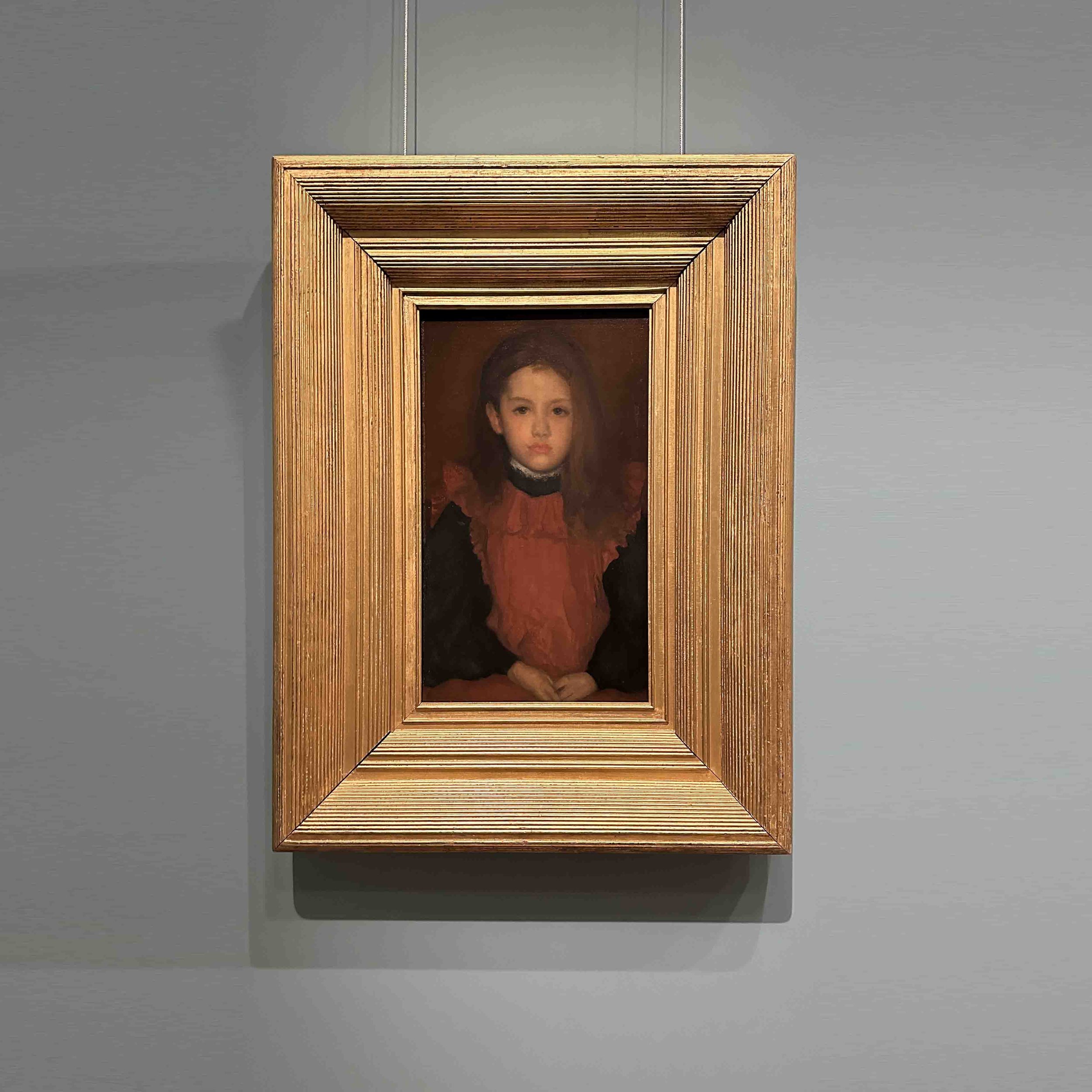
As we look closely at Whistler’s painting, Little Rose’s arms lie in an immeasurable field of black.
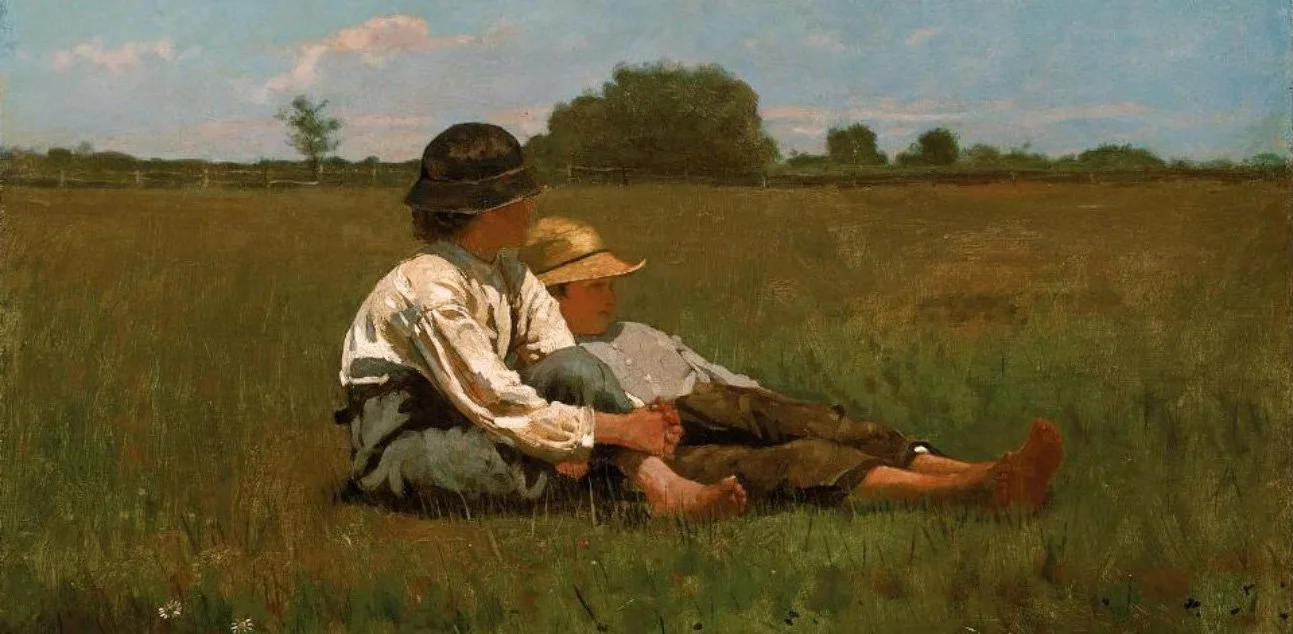
Dawn, dusk, and moonlight. These are the moments of Homer’s paintings. Light continues to illuminate, as all else fades, as if in a dream.
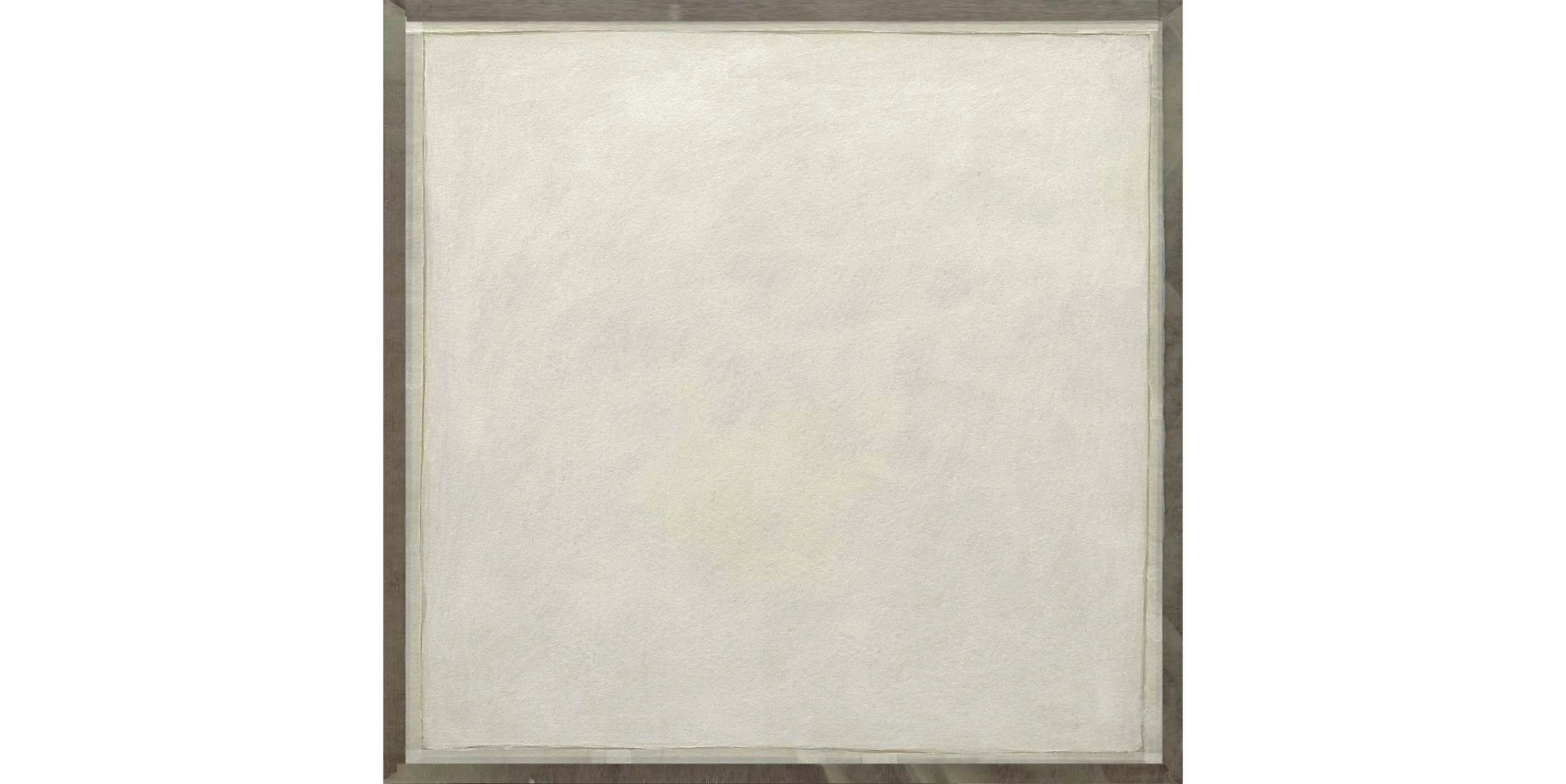
I found myself in a small room with two paintings, one by Agnes Martin, the other by Robert Ryman, facing each other. The silence was deafening.
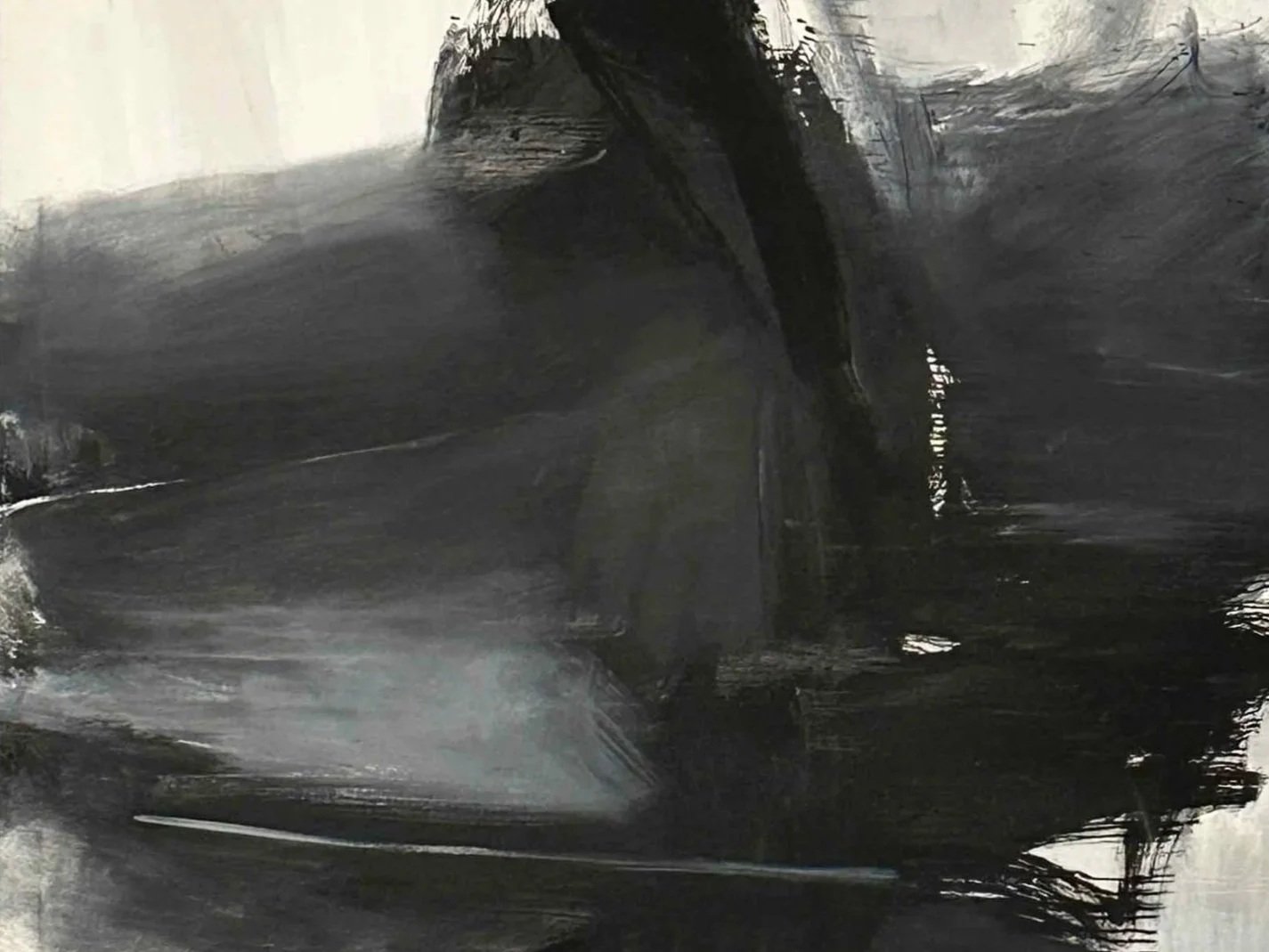
Franz Kline's Black, White, and Gray (1959) is nearly nine feet tall and nearly seven feet wide. I came across it in person at the Met a few months ago. It’s overwhelming…
Art and nature - the natural world reflected