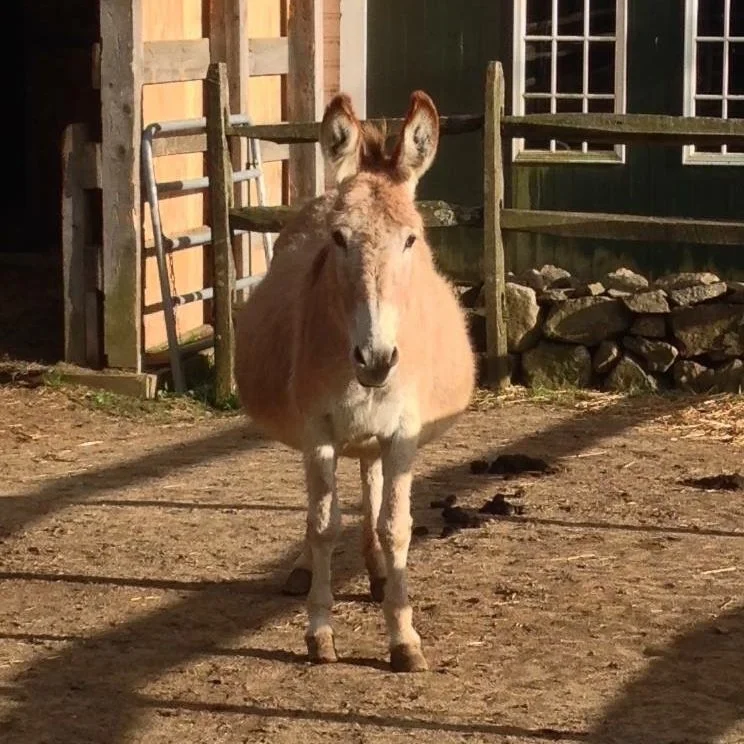
The Paddock
So much of our life together involved horses and donkeys. We would shovel the paddocks and stalls, load the manure cart, head to the dump yard, and swing by the ice cream shop, with the sweet aroma of manure following us. Jenny ran a rescue barn, where horses saved at auction would be quarantined for thirty days before meeting their new owners. Most would arrive in the middle of the night in the back of a stock trailer. It was like Christmas morning for her. Some were starved, others lame or sick, others needing handling for the first time. In thirty days, she had most of them back in good health
The intimacy of the daily feeding and brushing, the putting out of the hay, the breaking of the ice, and the watchful eye that must be kept constantly were all new to me. I was merely a spectator, watching Jenny carefully observe her new company, assessing their health, and putting her ear to their bellies.
As time went by, I made like an old farmhand. One day, a horse leaned his muzzle on me in the stall. Surely a sign of affection, I thought. Jenny pointed out that he was merely dominating me. So much to learn. Still, I loved the whole scene; breakfast while the horses grazed in the lower field, the thunder of hoof-beats racing to the stalls for feeding, the sweet, strong perfume accompanying them. Like the horses in the barn, I came to be content.
In the first few years, we had Pippa, the beautiful track horse, who lounged diva –like around the paddock. Her adolescent mate, Monaco, tormented her with constant provocations to play. She was not interested. She only revealed her feelings for him the day he drove away with his new owner, wailing at his departure.
The last pair to be adopted was Blossom and Apple, mother and daughter. When they left, the emptiness of the paddock began to wear on us. It was then that we began to think about visiting Jenny's old rescues at their adopted homes, and travelling out to see the wild horse herds.
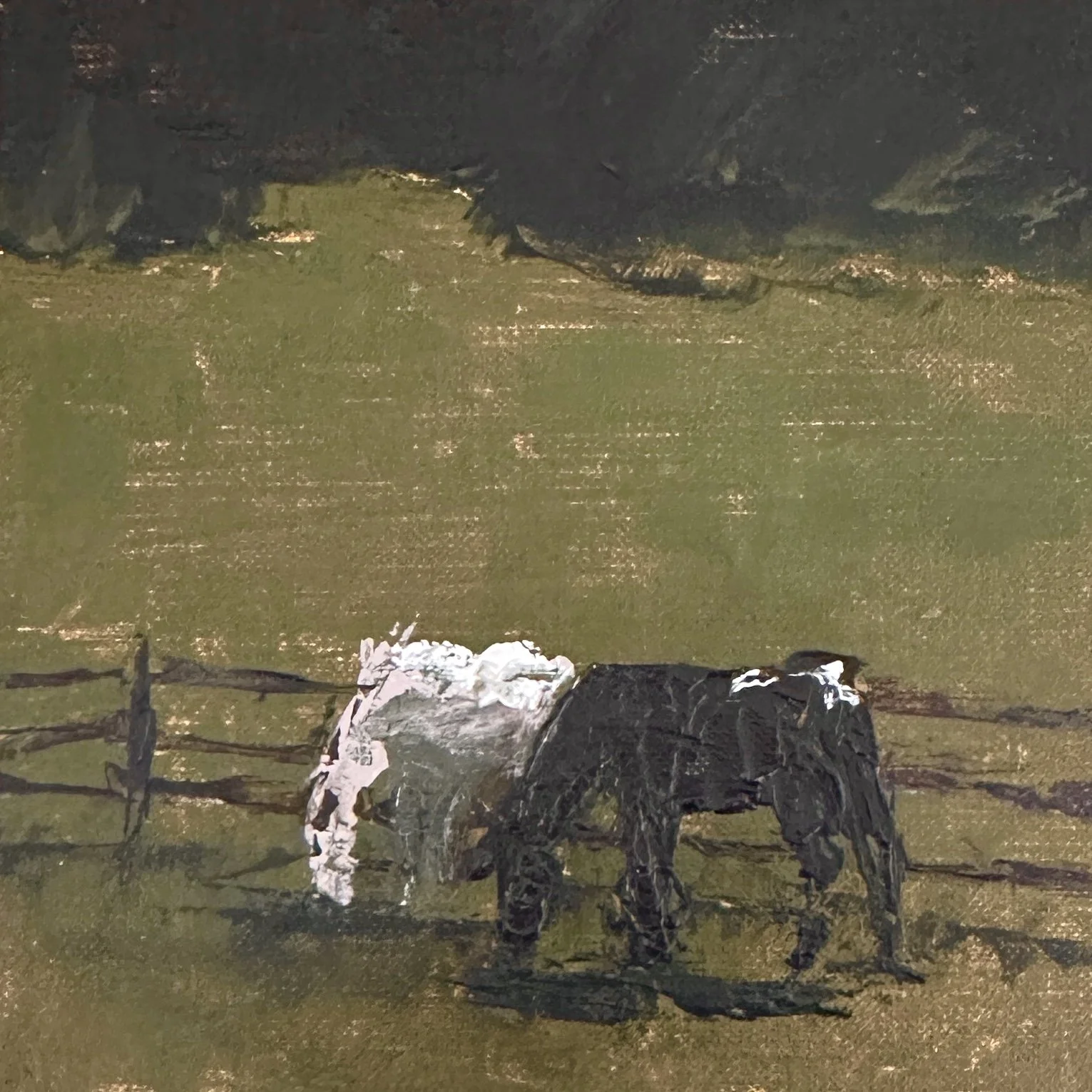
Next time: What it takes to get an Airstream ready for the wild