Looking and Listening
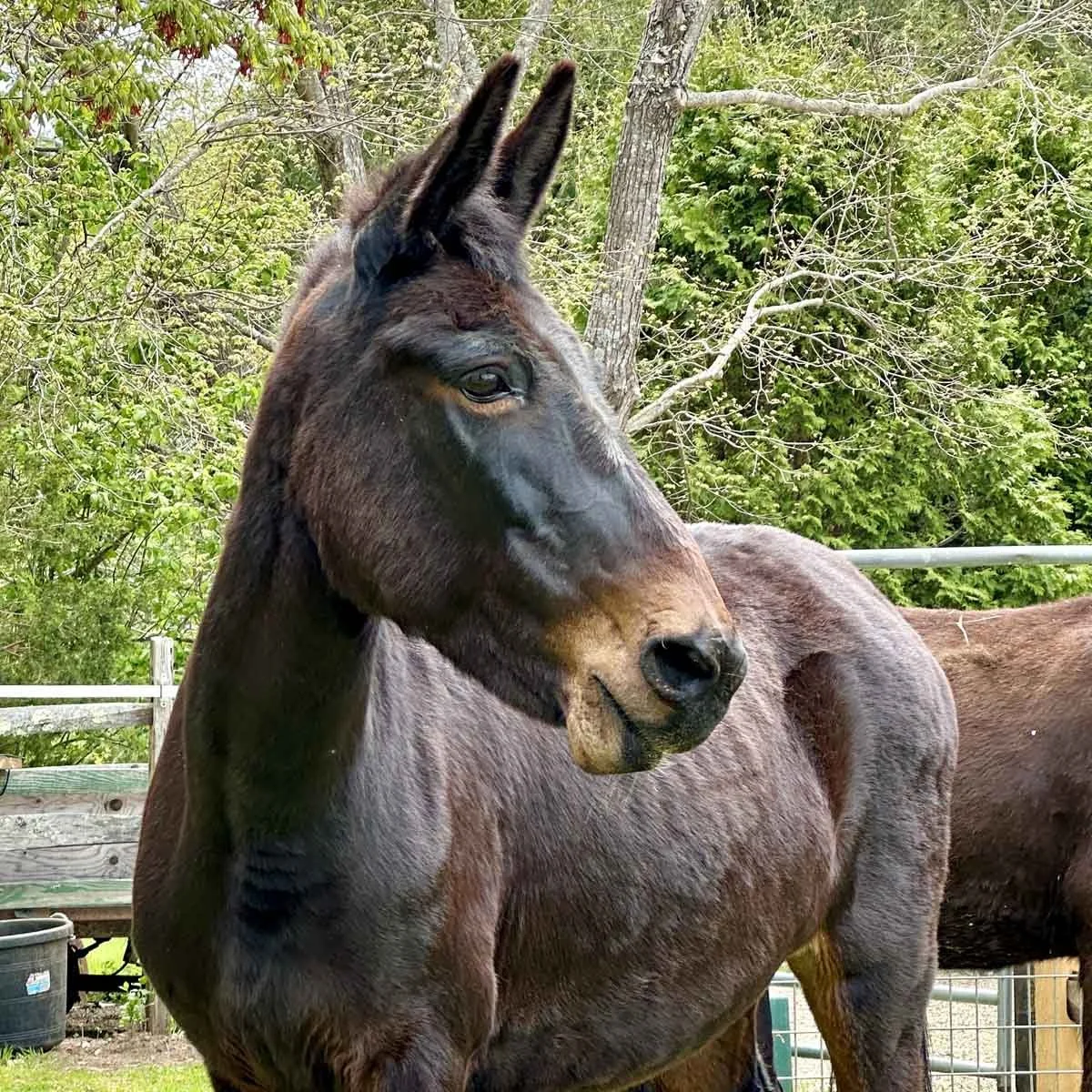
When the mood is right, Raven will let me rest my forehead on hers, ears moving back and forth as I whisper. Breathing her in, her eyelashes flutter against my cheek. What does she hear? Perhaps just a base line, knowing not what's being said, but how it’s being said.
Lately I've been obsessed with the background of portraits: the shade of deep tourmaline behind Ingre's Odalisque, or Repin's icy background behind Garshin, or the lugubrious terra petra behind Goya's matador. All of these do something painterly; that is they reflect, through their complementary nature, the opposite color into their subject. This is something known to portraitists, and it is used to bring the subject to life. But it is more than that, the background speaks to the subject itself: tragic, complex, or hopeful.
Perhaps this is what the early modernist painters were getting at; painters like Gottlieb and Mark Rothko, wanting to remove the pictorial subject to get at what they called the "truth" as Eliza Rathbone discusses in her catalogue for the recent exhibition, Avery Gottlieb & Rothko, at the Cape Ann Musuem in Gloucester, Massachusetts.
Studies show that what most people "hear" has very little to do with what is said. It has mostly to do with "how" it is said. So with Raven, I must be careful to not let talking, or even thinking, get in the way of listening to her. When I walk into the barn, I remain silent. She can already hear my heartbeat twenty feet away, they say. In the field, I whisper, just to let her know I’m there.
………………………………………………………….
She gets a little restless now and then
She feels the changes in the wind
Way down deep where I can't see
She can get clean away from me
With a side step and subtle shift
And the turning of a key
Locks me out and lets me drift
She'll come back if I let her be
She'll come back if I let her be
From Restless, a song by James McMurtry